By Michelle Curran
Strategic Communications, Pasifika TV
For siblings, Shalom Ngaro and Winona Ngaro-Malifa, the longing to preserve Pacific culture and heritage runs deep.
The Young Pacific Leaders (YPL) alumni, who both work in the technology space, see the United States Government YPL initiative as an avenue to open new doors and achieve the goals they – and their peers – have for a more prosperous Pacific.
Born in Aotearoa New Zealand to a Niuean/American Samoan mother, and Cook Islands father, Shalom says cultural preservation is especially important as someone who comes from two small but proud nations.
The ANZ Bank Aotearoa Experience Designer first got involved with YPL through the Small Grants Program, working on a project with his siblings which focuses on language preservation.
“Our Cook Islands language has been identified as endangered, with only eight percent of our people able to speak it,” Shalom says.
“Through the program, we’ve been able to start something we deeply care about and want to ensure our cultural heritage isn’t lost.
“I also attended the Sustainable Development Workshop in Suva, Fiji last year, where I shared the message of sustainable career paths through technology.”
He is also currently working on ENDALA, a tech company focused on building digital tools to support the revitalization of endangered Pacific languages, co-founded by Winona, who also runs navågate, a networking group connecting Māori and Pacific peoples working in tech.
“Together, we advocate for sustainable career paths through technology and other STEM fields,” Shalom says.
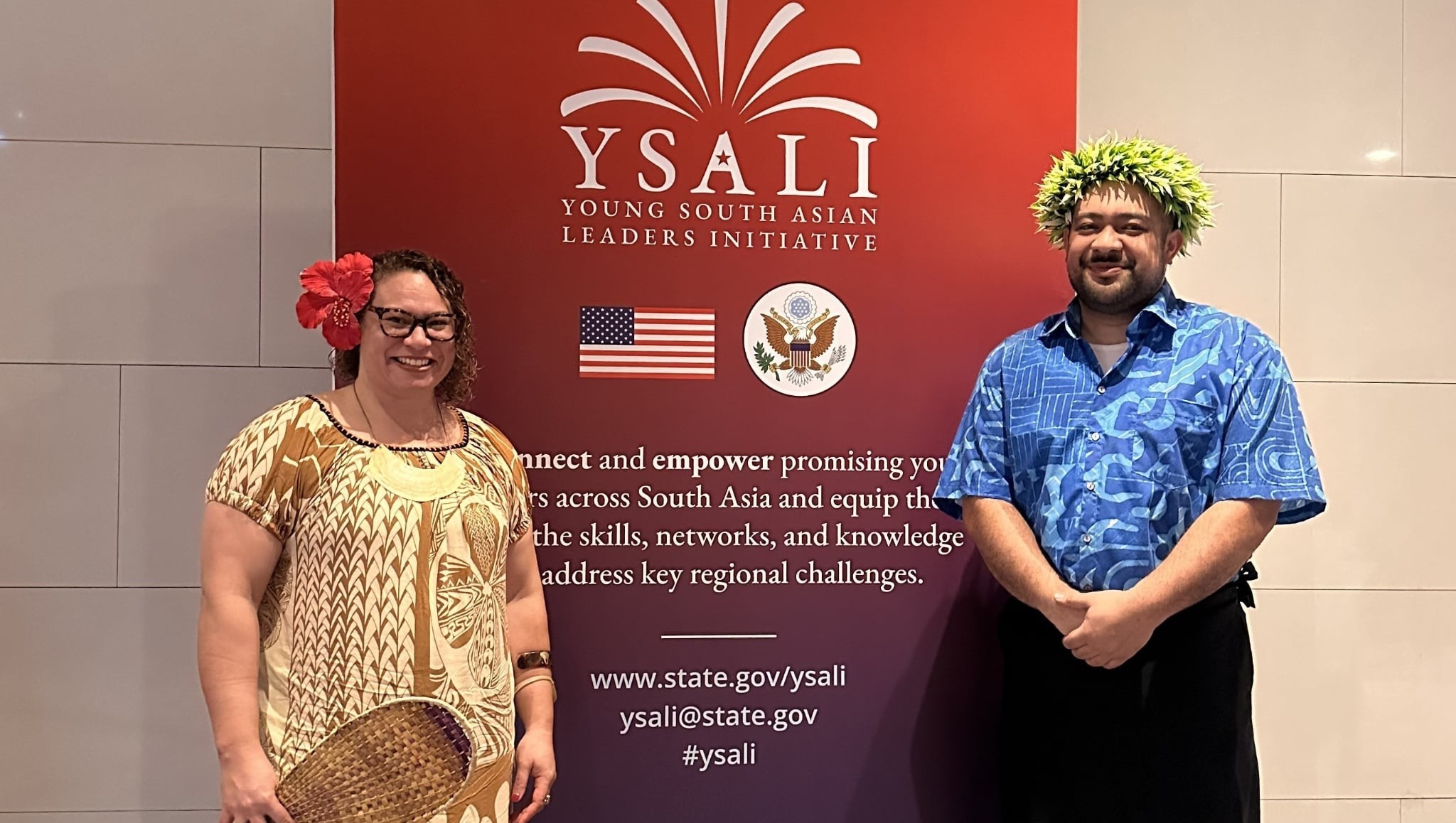
Having built a strong network with YPL alumni in both Aotearoa and across the wider Pacific region, Shalom recently attended the launch of the Young South Asian Leadership Initiative (YSALI) Entrepreneurship and Civic Engagement workshop in Colombo, Sri Lanka during August.
Shalom and fellow YPL alum Tahina Booth were invited to attend the YSALI event, alongside 80 youth leaders, from Bangladesh, Bhutan, India, Maldives, Nepal, Pakistan and Sri Lanka, who had gathered to network and address shared challenges across the region.
“Being recognised with the opportunity to attend the YSALI workshop was an honour, and being able to represent my Pacific islands on a broader stage made me even more proud of my cultures and heritage,” Shalom says.
“Even though we come from completely different walks of life and live on the other side of the world, there are universal issues that affect us all as young leaders.
“Indigenous communities everywhere are rallying together to create solutions that are designed for us and built by us.”
Shalom adds the likes of YPL, YSALI and Young Southeast Asian Leadership Initiative (YSEALI), all supported by the US Government, are invaluable as sharing examples and insights from different perspectives opens new possibilities and provides fresh outlooks on issues.
“I firmly believe that community-led initiatives need to start with us,” he says.
“We know our communities better than anyone else, so having open discussions about the issues we all face allows us to co-create solutions we can each take back and apply in our own spaces.”
On the back of the YSALI workshop, Shalom is motivated to continue working with other leaders across the Pacific and within his community.
“I want to explore ways of preserving culture that benefit our people and allow us to thrive in every avenue,” he says.
“I also want to keep elevating Pacific voices—young and old—and see my people succeed in everything they do.”
Visit the YSALI and YPL websites for more information on the US Department of State initiatives.