
Source: SPREP
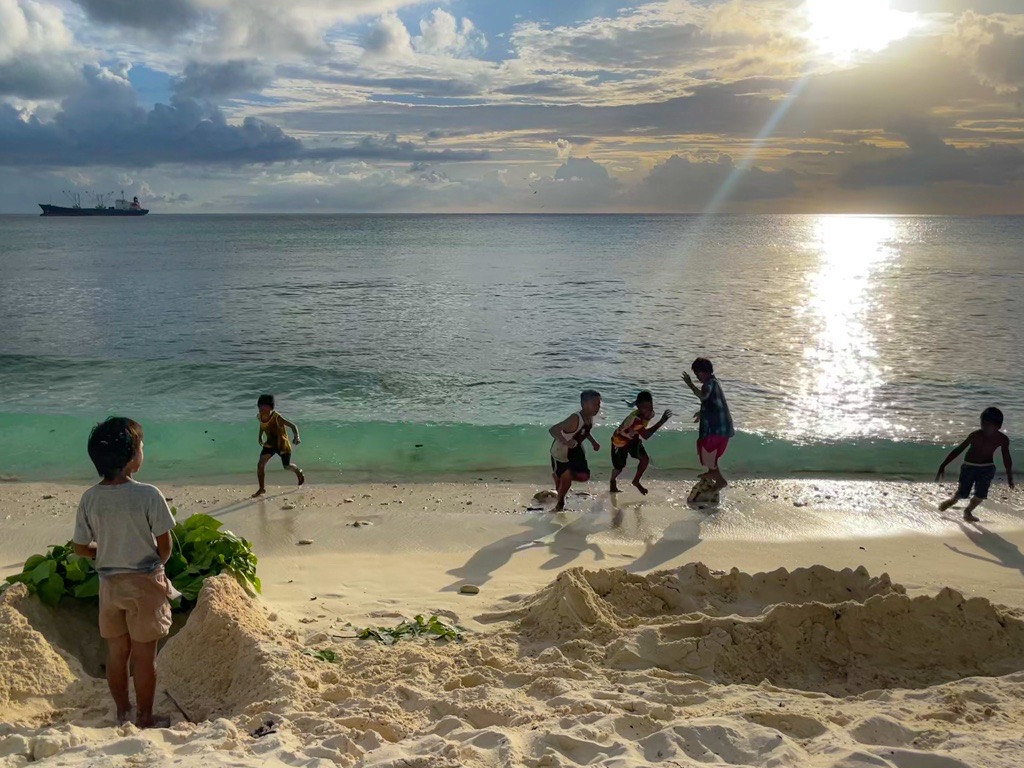
While its islands may be small and low-lying, Kiribati is a mighty ocean state.
At COP30, Kiribati is spotlighting its strength and resilience through building resilient development pathways for its most vulnerable communities in its outer islands.
On November 12, at Moana Blue Pacific Pavilion, the Kiribati Outer Island Resilience and Adaptation Project (KOIRAP) side event shone the spotlight on national efforts in ensuring food and water security for its outer islands and developing long term solutions for adaptation to climate change.
Kiribati Vice President and Minster of Finance and Economic Development Hon Teuea Toatu highlights the climate challenges faced by the island nation.
“As a microcosm of the Small Island Developing States (SIDS) on the frontlines of the climate crisis, Kiribati faces challenges that are real, escalating, and profound,” Minister Toatu says.
“Our plea, alongside all SIDS is to keep 1.5 alive, as this is the only path to secure our future.”
The outer islands of Kiribati cover a land area almost the size of the United States, and travel between the islands by ferry can take days.
Their unique isolation and limited resources make their communities some of the most vulnerable and heavily impacted by climate change.
Kiribati, like other low lying Pacific islands, are battling more powerful storm surges, coastal erosion, and prolonged droughts that threaten land, natural resources, infrastructure and wellbeing.
Minister Toatu says the Government’s vision is clear.
“We are committed to a resilient development pathway that ensures that no one, no island, is left behind.
“This vision ensures that both our outer islands and urban centres are fortified against the impacts of climate change.”
The commitments are actioned through projects such as KOIRAP, an initiative dedicated initiative aimed at making a lasting difference in island communities.
With limited water sources, low lying island communities heavily rely on rainwater harvesting and vulnerable ground water.
These are very fragile and are easily disrupted by a changing climate rainfall pattern and sea-level intrusion.
Through the project efforts have been made to improve basic infrastructure and water supply and drainage services.
Distribution of water tanks and hand pumps to households in the outer islands have been undertaken to strengthen water security and help communities adapt and thrive.
The initiative has also strengthened island councils and communities to plan for land use, infrastructure and services noting the limited land area.
Kiribati National Disaster Management Office Director Takena Redfern says in Kiribati, communities are not just recipients, they are builders of their own resilience.
In addition to the KOIRAP, a resilient development pathway for its people remains a cornerstone for development through its national strategic plans, and climate and disaster risk management plans, and the Kiribati 20-year Vision 2016-2036.
The Moana Blue Pacific Pavilion at COP30 is a Pacific partnership with the Governments of Australia and New Zealand managed by the Secretariat of the Pacific Regional Environment Programme (SPREP).
The Pavilion was featured at the Thirtieth Conference of the Parties to the UN Framework Convention on Climate Change hosted in Belem, Brazil from November 10-21, 2025.