It’s a wrap; the inaugural Pasifika On Air (POA) Focus on Film Masterclass initiative, spearheaded by Samoan-Kiwi filmmaker Stallone Vaiaoga-Ioasa, has concluded for 2026.
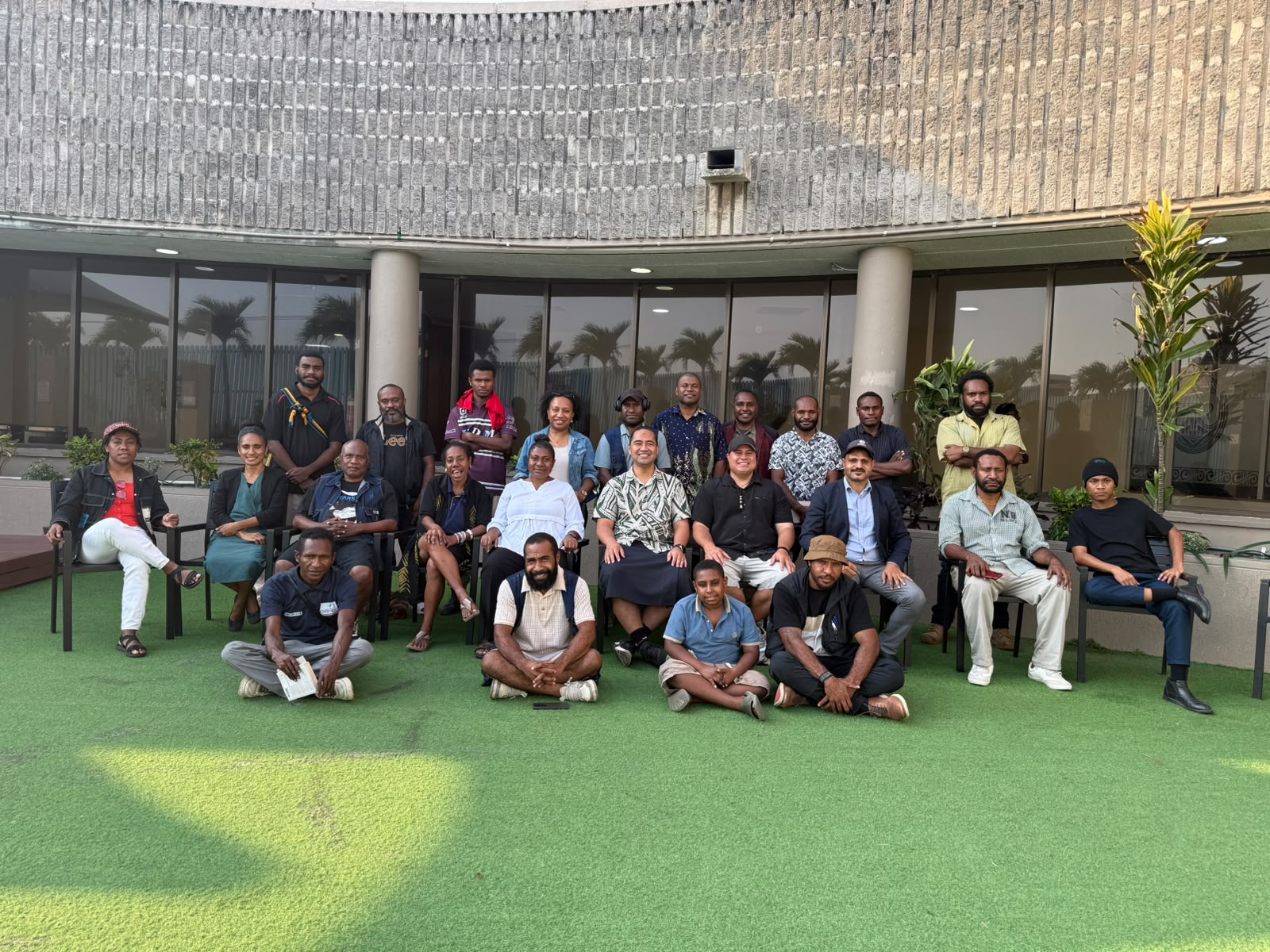
Aimed at strengthening Pacific filmmaking capability, supporting story sovereignty, and helping 10 crews from six Pacific islands to develop and deliver culturally grounded scripted short films, the Focus on Film Masterclasses took place in Samoa, Cook Islands, Fiji, Papua New Guinea, Solomon Islands and most recently, in Hawai’i.
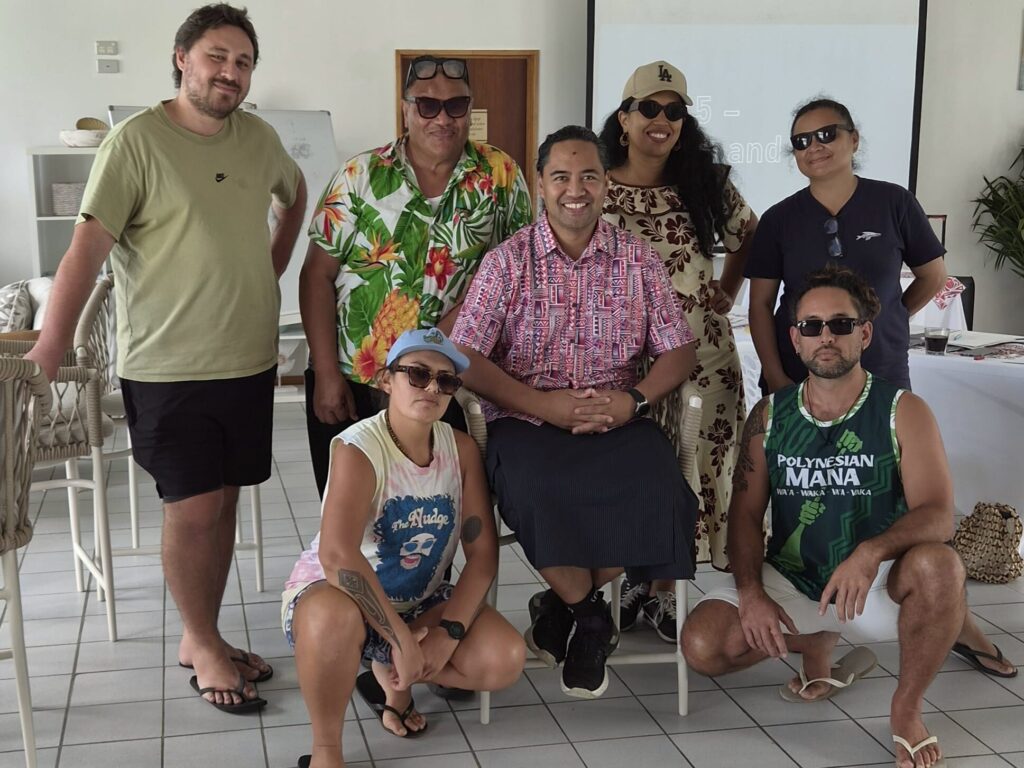
Stallone says it has been incredibly insightful and inspiring mentoring teams from all corners of Te Moana-nui-a-Kiwa.
“We knew from the outset that each island would have its own strengths, challenges and needs, and it has given us a unique snapshot of the Pacific screen industry and an opportunity to begin addressing some of those challenges,” Stallone says.
“The underlying philosophy of these masterclasses is that every island has three things that make it unique – its language, its people and its location – and we want filmmakers to embrace those elements and tell stories that resonate first and foremost with their own communities.”
The incredible amount of talent, the shared understanding of the importance of storytelling and the desire to tell authentic stories is a common thread Stallone noticed across the region.
“While social media content is thriving, there’s still a real opportunity to develop more locally produced film and television.
“One common challenge is writing – it is often overlooked, but strong writing is the foundation of good filmmaking and strengthening that skill can elevate everything that follows.”
Perhaps the biggest difference between the Pacific islands, is how population size affects access to experienced crew, Stallone adds.
“On smaller islands, finding a sound operator, editor or colourist can be challenging.
“Part of our approach has been identifying existing talent and exploring how skills can transfer into filmmaking, for example, a photographer may already have skills that translate into cinematography or colour grading.
“And one similarity across the Pacific? Island time! Although, in fairness, that’s often as much about traffic and infrastructure as it is about the island-time mentality.”
Looking ahead, Stallone is excited about what the filmmakers will do next and seeing films thatgenuinely reflect their respective islands.
“Our message has been simple: make films for your own people first.
“Embrace your language, culture and community rather than trying to appeal to international audiences from the outset.
“Good storytelling is universal – if a story resonates with its own people, it has every chance of connecting with audiences around the world.”
For some islands, the POA Masterclasses have been a first of their kind, and there is clearly an appetite for more, Stallone says.
“I’m especially excited about the 30 short films that will emerge from the ten teams next year.
“That’s a significant wave of Pacific storytelling, and I hope it encourages the wider industry to take notice.
“These filmmakers are only going to grow in confidence and skill, and I can’t wait to see the unique stories they bring to the screen.”
Successful 2026 Masterclass and Shorts Fund recipients
- MP Studio (Apia, Samoa)
- Cook Islands TV (Rarotonga, Cook Islands)
- Pacific Standard Time (Rarotonga, Cook Islands)
- Suva Hotspots and Histories (Suva, Fiji)
- Tali Films (Suva, Fiji)
- The WANS Ltd (Port Moresby, PNG)
- Pixel Production (Port Moresby, PNG)
- Dreamcast Theater (Solomon Islands)
- Native Lens (Solomon Islands)
- Knew Country (Honolulu, Hawai’i)
Keep an eye on Pasifika TV’s website and social media for more funding opportunities in 2027.